Juniperus, virginiana The Eastern Redcedar_Fact Sheet. :http://www.na.fs.fed.us/pubs/silvics_manual/volume_1/juniperus/virginiana.htm
The trouble with common names is apparent with the evergreen tree discussed here. It is not a member of the Cedrus genus at all but as you can see a member of the Juniperus genus. Also to confuse matters more we have the Atlantic White Cedar, Chamaecyparus, thyroides or as the genus name denotes, a false cypress. Both trees are coniferous evergreens and their range is similar as is their overall form, needle structure and cone.
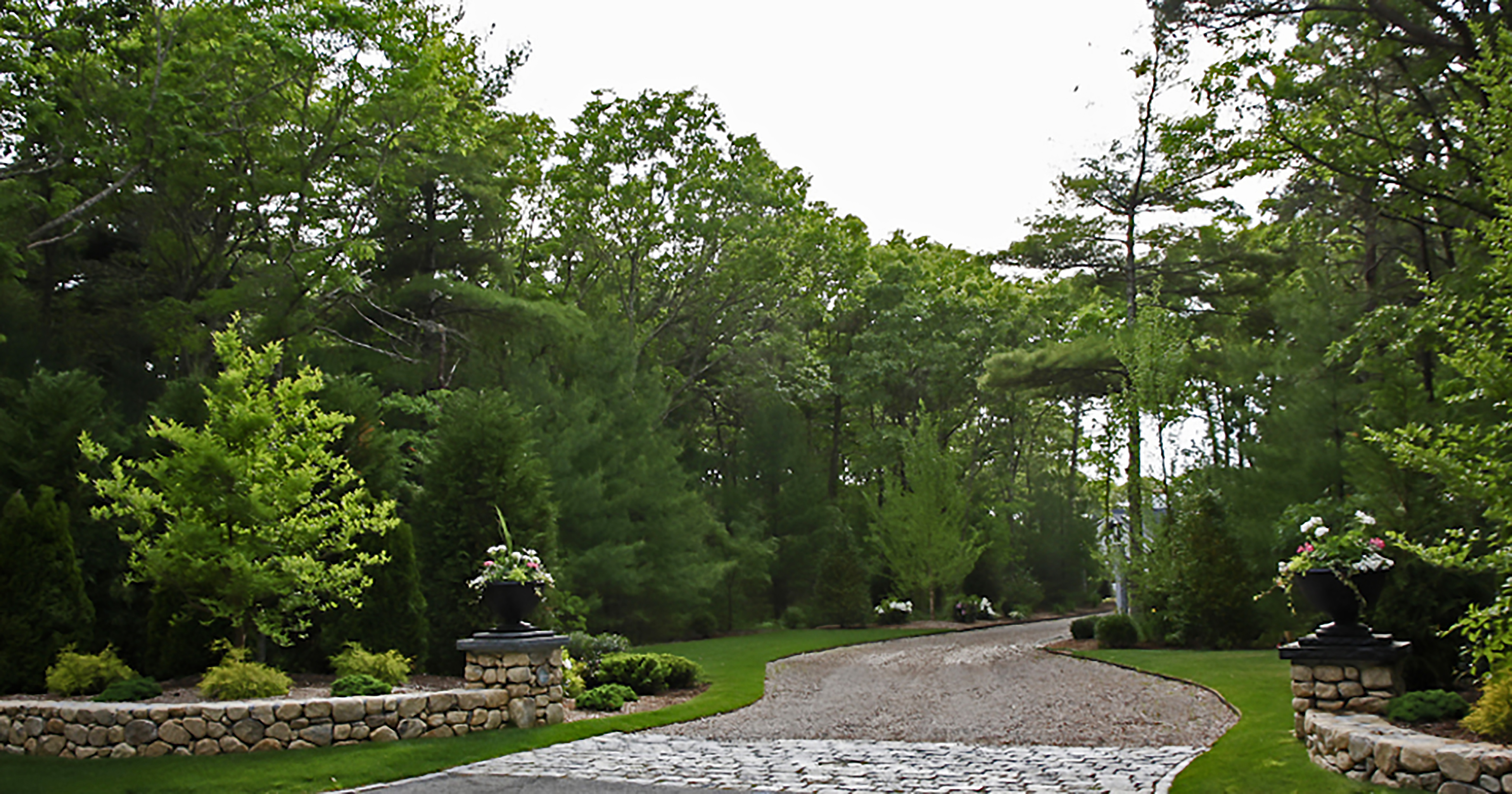
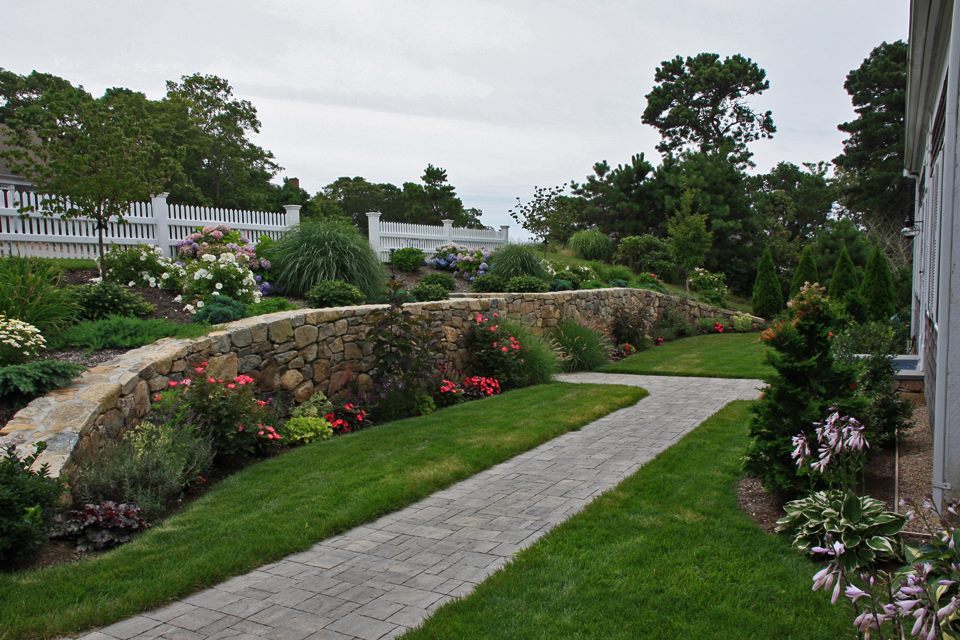
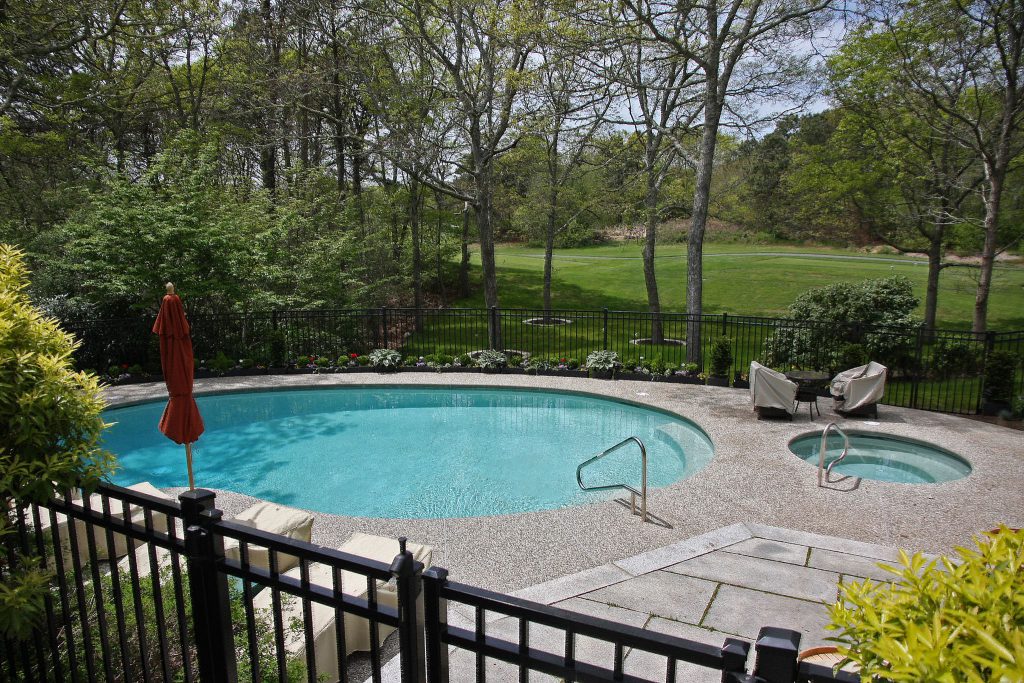
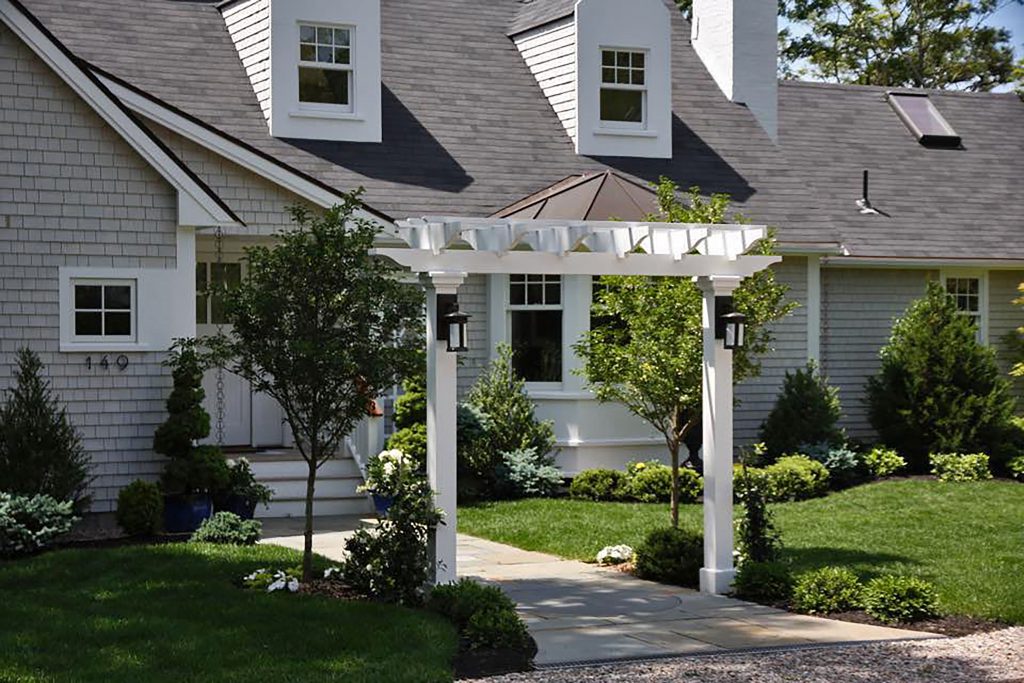
The photos included here show the native Juniper virginiana in various settings on Cape Cod, where they have found a very happy home. Our climate, acid soils and lack of climax hard wood forests allow these trees to proliferate in upland meadows as well as areas near the coast. They are very tolerant of the prevailing coastal conditions and are often selected as additions to the man made landscape for seaside properties.
It is a pioneer invader, which means that it is one of the first trees to repopulate cleared, eroded, or otherwise damaged land. It is unusually long lived among pioneer species, with the potential to live over 850 years. Although native, it is sometimes considered invasive however here it is not currently listed as such. It is also host to Apple Cedar Rust so caution should be used when selecting those trees that are susceptible to this blight ( Ornamental Apples, Hawthorne, Mountain Ash, Quince ). The picture below shows the gall on the foliage and then the gelatinous mass as the spores are emitted. All this aside, there are some beautiful cultivars/varieties of the genus that are somewhat resistant and add valuable interest to the landscape. “Emerald Sentinel” is one of my favorites.


Beautiful photos and great information. Here is Washington, we’re able to grow the Western Cedar, and it’s lovely, too.
Great looking tree, I love the shape. I know only the Juniperus Communis. They make “Jenever” from the berries. A very strong liquor. The photo from the seaside looks amazing!
Thanks Laila, These trees abound here and I especially love all evergreens this time of year as the eaves start to fall_they really stand out once again. Love your contributions to CL’s site. Be well.
Elaine, What a great post, filled with lovely photos (OK, maybe the ones of the gall are not lovely!). I’m glad to see someone else sharing the virtues of this native conifer. As you noted, because it is so reliable and is a pioneer tree, I think many homeowners view it as common and somehow not worthy of inclusion in their designed landscape. In fact, nothing could be farther from the truth.